2026-11-26
Everything About Juvelook and Juvelook Volume
Dermatologist Dr. Cho Young-min explains Juvelook and Juvelook Volume, covering how the PDLA skin booster works, how it differs from fillers, treatment schedules, and nodule prevention.
#Juvelook #JuvelookVolume #CollagenInjection #PoreTreatment #FineLineTreatment #JuvelookSkinBooster #DrChoYoungmin
Hello, I'm Dr. Cho Young-min, a board-certified dermatologist.
I've been getting a lot of questions about Juvelook lately.
It's a skin booster I've been using consistently since 2020.
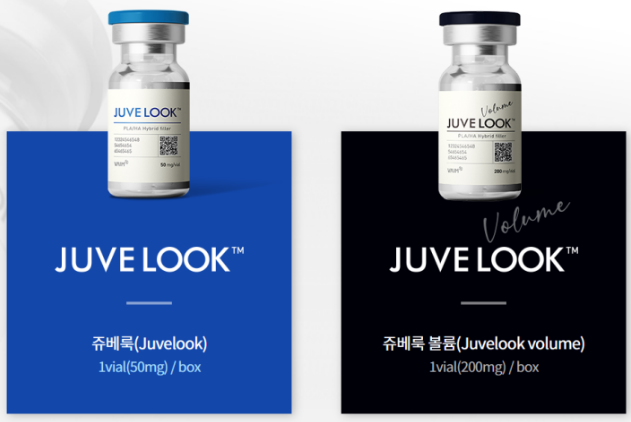
Juvelook
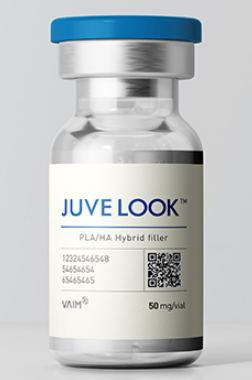
I believe the name is a portmanteau of “Juvenile look” (this is my assumption).
juvenile (young/youthful) look
The desire to look younger and more youthful seems to be universal, after all.
What are the ingredients of Juvelook?
Juvelook is made of a substance called PDLA.
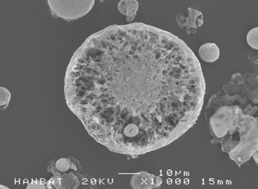
A product with a similar molecular structure is Sculptra (PLLA).
When the right amount is injected into the correct skin layer,
it works by causing inflammation and breakdown that gradually builds collagen,
making it a skin booster that works in this way.
I've written before about the effects of oral collagen,
but Juvelook works on a level that simply can't be compared to it,
because it builds collagen within the skin layers.
Once collagen is produced, elasticity improves. Once elasticity improves, fine lines and pores get better and skin texture improves, right?
Sculptra (PLLA), a similar ingredient, has very large particles, so it's used for volumizing sunken areas.
Juvelook's particles are small, so it isn't commonly used for adding volume. Instead, it's mainly used for fine volume adjustments in narrow areas, such as surface scars or deep wrinkles.
What's the difference between Juvelook and fillers?
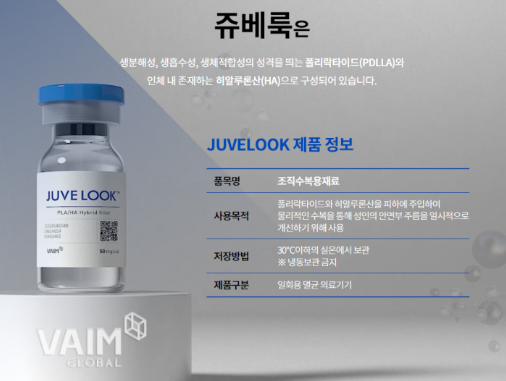
Fillers are made of cross-linked hyaluronic acid gel that's injected into the body,
and their purpose is to add immediate volume.
Juvelook, on the other hand, can be thought of as planting a seed that helps your own body make collagen.
I think that makes it easier to understand.
Unlike fillers, which work right after treatment,
Juvelook needs time for collagen to form,
so rather than a single session, I recommend about three sessions in total (3 months), roughly once a month.
When is Juvelook used?
There are two main uses.
Anti-aging and scar treatment!
Because it stimulates collagen production, it adds firmness and gives skin a plumper, tighter feel.
Some people use it for anti-aging, expecting benefits for dark circles, pores, and fine lines.
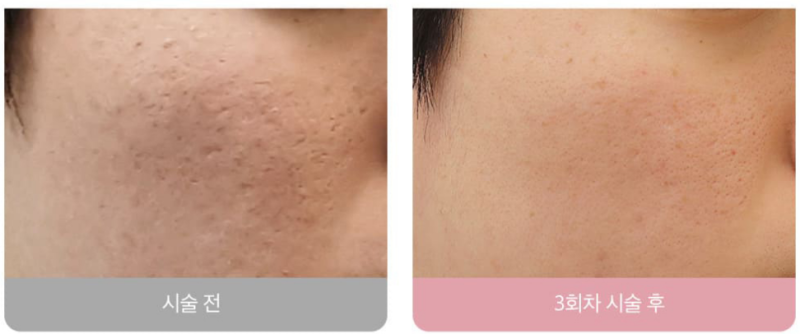
It can also be injected into areas with specific skin defects, such as acne scars, to correct minor surface irregularities.
The injection layer for Juvelook differs depending on the purpose, right~?
(It's a secret..... :) Just kidding. You can actually find all of it on YouTube, haha)
What are the side effects of Juvelook?
It's probably the most well-known side effect, one you'll find with just a quick search, so I'm sure you all know about it.
It's 'nodules.'
This refers to a clumped appearance, as if a foreign substance were trapped inside.
Unlike fillers, they can't be easily dissolved with hyaluronidase,
so from the very beginning, it's crucial to prevent nodules from forming :)
To avoid nodules,
you need to get the 'reconstitution' (suhwa) step right.
Reconstitution is the process of evenly dissolving the Juvelook particles, which come in powder form.
After all, you can't inject powder into the skin.
But this reconstitution step... sometimes matters far more than the actual injection technique.
(Clinics that do it well don't readily share their reconstitution know-how......!!!!)
Nodules form because the powder doesn't dissolve evenly, so too much product ends up in one spot.
The good news is that nodules can be prevented if you just follow the basic principles!
Let me stress this again..
Reconstitution... reconstitution... reconstitution is the key.
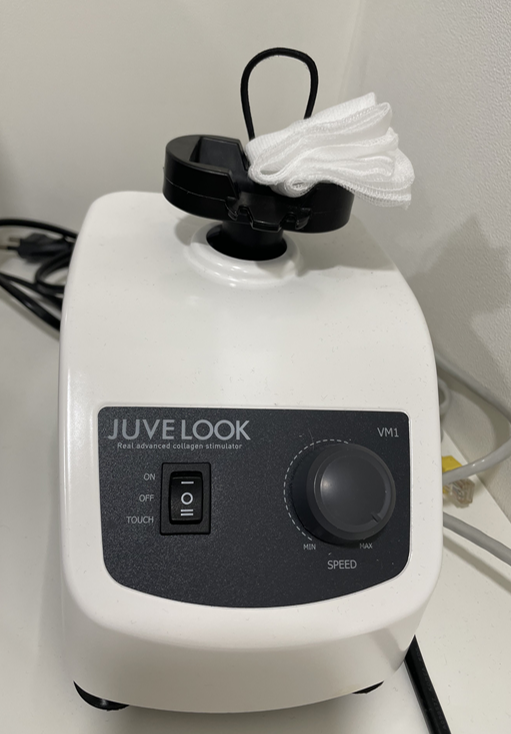
The Juvelook VM1 device, labeled 'Real advanced collagen stimulator', with an ON/OFF/TOUCH switch and a speed dial.
What's the difference between Juvelook and Juvelook Volume?
To answer right away, the difference lies in particle size.
There was another product name with the same ingredient as Juvelook, called Etrebelle 50,
but I understand it has since been consolidated under Juvelook.
Etrebelle is French,
Etre (be) + belle (pretty)
so it can be roughly interpreted as “Become beautiful.”
(Looks like my brief French studies are showing here.. ^^)
There were two types: Etrebelle 50 and Etrebelle 200.
Juvelook Volume corresponds to Etrebelle 200, and its earlier name was 'Renisna.'
Juvelook Volume = Renisna = Etrebelle 200
I got a bit sidetracked, so back to the main point.
Juvelook Volume has relatively larger particles, and it's injected into areas that look hollow, such as the cheeks or temples, to create a natural, filled-out effect.
At Cheongdam Anz, the skin booster we perform most these days is Juvelook Volume.
Compared with the past, people are now more reluctant about fillers,
so treatments that stimulate your own collagen production are gaining favor, which I think reflects the current trend.
To restate the treatment interval: I recommend once a month, for three sessions in total.
After three sessions once a month, then what???
After that, I recommend waiting six months.
The reason is that if you keep getting treated without waiting for collagen to form, you may end up over-treating.
Wait at least six months, until the collagen-building response has settled, and only then, if you still feel you need more volume, consider another session.
Today I've put together a complete guide to Juvelook.
I hope it was helpful.
With Juvelook, results and side effects depend heavily on the practitioner's experience and knowledge,
so please choose your clinic and doctor carefully.
If you visit Anz, we'll draw on our three years of experience using Juvelook to deliver the best possible results :)
Have a wonderful day.
Frequently Asked Questions
What is the main ingredient in Juvelook?
Juvelook is a skin booster made of PDLA. When the right amount is injected into the correct skin layer, it works through a process of inflammation and breakdown that gradually builds collagen. The article notes Sculptra (PLLA) as a product with a similar molecular structure.
How is Juvelook different from fillers?
Unlike fillers, which add immediate volume, Juvelook helps your body produce its own collagen. Fillers are made of cross-linked hyaluronic acid gel and are used to add volume right after treatment, while Juvelook needs time for collagen to form.
How many sessions of Juvelook do I need?
The recommended schedule is about three sessions in total, roughly one month apart. After that, wait at least six months and consider further treatment only if more volume is needed. Continuing to inject without waiting for the collagen response may lead to over-treatment.
What is the most common side effect of Juvelook?
The most common side effect is nodules, which look like lumps as if a foreign substance were trapped under the skin. Because they cannot be easily dissolved with hyaluronidase the way fillers can, preventing nodules from forming in the first place is essential.
How can nodules be prevented?
The key is proper reconstitution, which means evenly dissolving the powdered particles. Nodules form when the powder doesn't dissolve evenly and too much product ends up in one spot. Following the basic principles can help prevent them.
What is the difference between Juvelook and Juvelook Volume?
The difference is particle size. Juvelook Volume has larger particles and is injected into hollow-looking areas such as the cheeks or temples to create a natural, filled-out effect. It was formerly called Renisna (Etrebelle 200).
What is Juvelook used for?
Juvelook is used for anti-aging and scar treatment. Because it stimulates collagen, it adds firmness to the skin. It is also used to improve dark circles, pores, and fine lines, and to correct minor surface irregularities in areas with skin defects such as acne scars.