2026-10-18
The Essence of Lifting
Lifting isn't about physically pulling skin up. Most non-surgical devices use heat to stimulate new collagen, so results often become more noticeable 2–3 months after treatment.
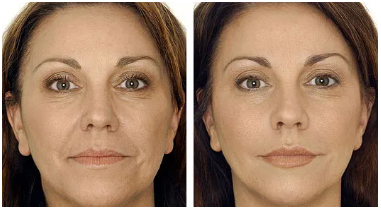
Lifting isn’t a treatment that “pulls” the skin.
Hello, this is Dr. Cho Young-min.
It’s been a while since my last post, but here I am again.
In my consultations about lifting, I hear one question very often:
“Doctor, isn’t lifting a treatment that pulls the face upward?”
Honestly, I think it’s only natural to assume that.
After all, the word “lifting” itself means “to pull up.”
In reality, though, it’s a little different.
Today, I’d like to talk about one of the most common misconceptions about lifting treatments.
Why does skin sag?
Many people believe sagging is caused by fat.
Fat does play a part, of course.
But in my practice, I often meet people who say their weight hasn’t changed, yet their face just doesn’t look the way it used to.
The reason can be found within the skin itself.
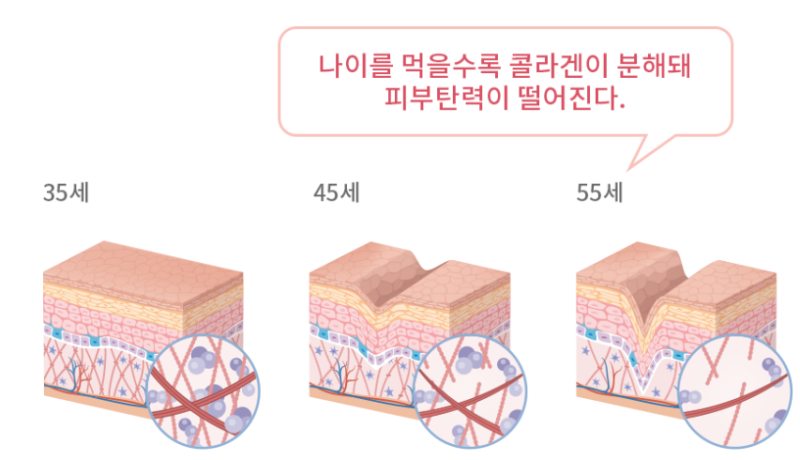
Our skin contains a structure called collagen.
Collagen acts like a pillar that supports the skin.
When we are young, these pillars are strong, so the skin doesn’t sag easily.
But as time passes, collagen declines and elasticity fades, and the skin becomes increasingly affected by gravity.
Gravity is remarkably diligent.
For Newton, it brought an apple down to the ground.

For us, it slowly lowers the jawline.
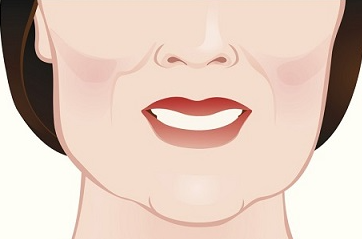
Nobody, it turns out, can escape it.
So what does lifting actually do?
Many people assume lifting devices pull the skin upward, but in reality, that isn’t the case.
Most non-surgical lifting devices deliver appropriate heat stimulation into the skin.
The body then begins producing new collagen as it recovers from that stimulation.
In other words, rather than pulling the skin, lifting is closer to a treatment that helps the skin build the strength it needs to hold itself up again.

That is why satisfaction often increases 2–3 months after treatment rather than immediately afterward.
This is because collagen takes time to form.
That’s why there are so many lifting devices on the market.
In consultations, I also often get this question:
“Is Ulthera better? Or Thermage? Or is Sofwave the better choice?”
Honestly, there is no single correct answer.
Each device targets a different skin layer and has its own strengths.
For example, some devices treat the deeper layers of the skin very well, while others excel at improving elasticity in the dermis.
So what matters most is not finding “the best device,” but finding “the device that suits your skin best.”
In fact, this is the part I spend the most time explaining in my consultation room.
Lifting requires more care than many people realize.
Patients often ask me:
“Doctor, why is Anz Lifting priced higher?”
The cost of the equipment is one reason.
But I believe there is an even bigger one.
Lifting isn’t a treatment where you just press a button and it’s over.
You have to decide which area to treat first, how much energy to use, and how to adjust for areas where the skin is thin, and keep making these judgments throughout the entire procedure.
This is exactly why results can differ even when the same device is used.
That’s why I sometimes tell my patients:
“Lifting isn’t a treatment that sells equipment. It’s a treatment that sells care and dedication.”
It may sound a bit ironic, but the more care lifting requires, the more its price has to reflect that.
Conversely, if less care is involved, the price can come down.
However, I don’t think results should come down along with it.
Anz wants to remain a dermatology clinic that, going forward, puts people before equipment, carefully examines each person’s skin, and thoughtfully considers the most suitable treatment.
Lifting devices have advanced tremendously in recent years.
Yet no matter how good the equipment becomes, one thing never changes: good results ultimately come from good judgment.
Devices are tools that help with treatment.
Which device is used does matter, but why that device was chosen and how it will be used matter even more.
In my next post, I’ll talk about Sofwave, which many people are currently interested in.

I’ll do my best to explain, as simply as possible, how Sofwave lifts the skin and which types of people it suits especially well.
Online consultations are available right here!!
#ApgujeongDermatology #CheongdamDermatology #DrChoYoungMin #CheongdamSanai #DrKwonYoungShin #DrLeeJinHyung
Frequently Asked Questions
Is lifting a treatment that pulls the skin upward?
No. According to Dr. Cho, lifting isn’t about physically pulling the skin. Most non-surgical devices deliver heat into the skin, helping the body build new collagen as it recovers.
When do lifting results appear?
Results often become more noticeable 2–3 months after treatment rather than immediately. This is because collagen takes time to form, and lifting devices help this process by delivering heat stimulation to the skin.
Do different lifting devices produce different results?
Yes. Each device targets different skin layers and excels in different areas. For example, some devices treat the deeper layers of the skin well, while others are stronger at improving elasticity in the dermis.
Which is the best device: Ulthera, Thermage, or Sofwave?
There is no single correct answer. Because each device targets different skin layers and has different strengths, it’s more important to find “the device that suits your skin best” than “the best device.”
Why do lifting prices vary?
Equipment cost is one factor. However, lifting isn’t a treatment you can complete by pressing a button. The care involved in deciding which area to treat, how much energy to use, and how to adjust for thin skin throughout the procedure is also reflected in the price.